
How to Color Soft Fur on Charming Animals
Follow the direction of the fur, vary stroke length and leave breathing room between marks to create a soft texture.
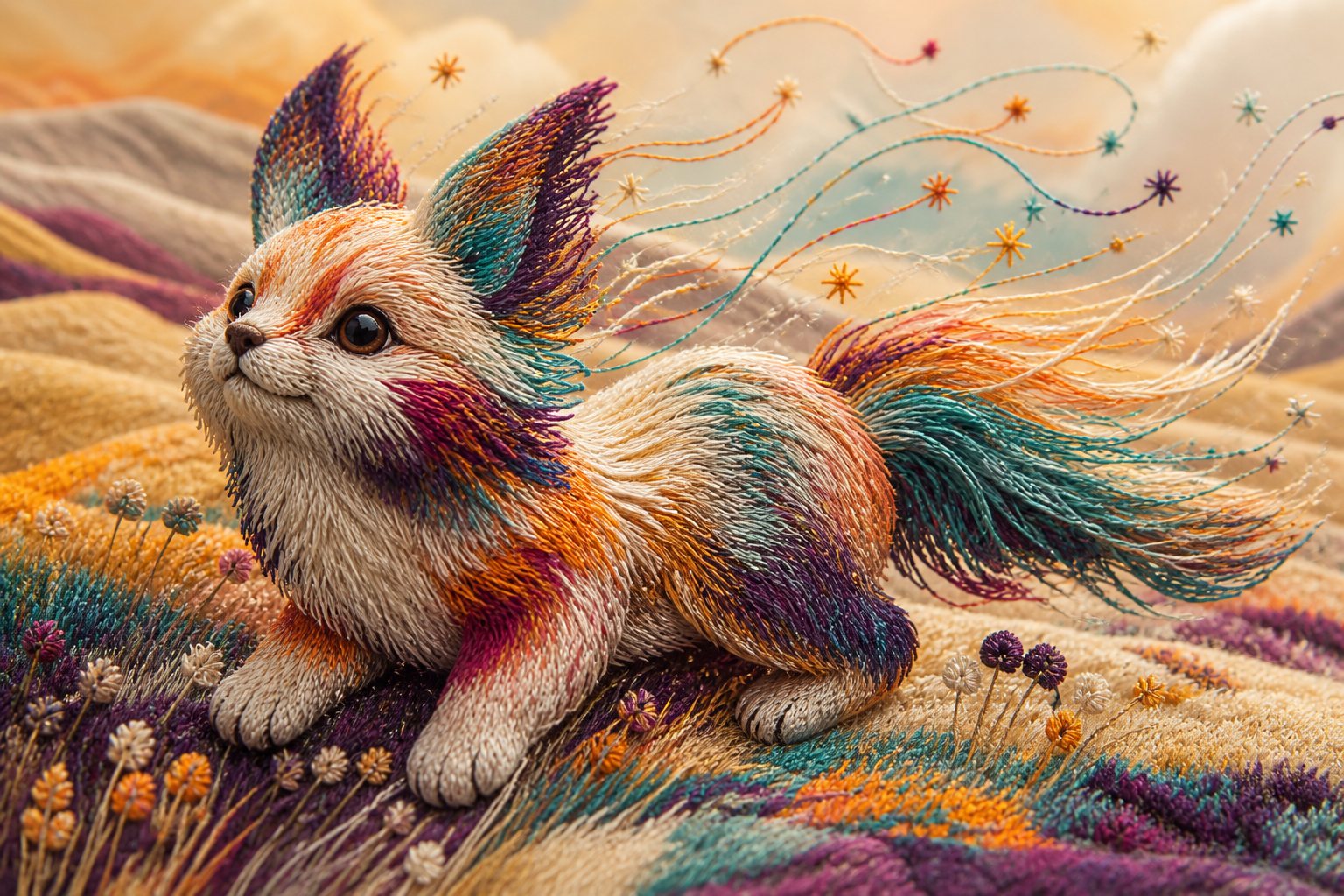
Short answer: Follow the direction of the fur, vary stroke length and leave breathing room between marks to create a soft texture.
Fur does not need to become thousands of individual lines. What matters is that the strokes follow the animal form: they move away from the center of the face, curve around cheeks and change direction across ears, paws and tail.
Direction creates texture
Before coloring, look at the silhouette and divide the body into a few areas. In each one, imagine which way the fur would grow. A light base brings the shape together, while fine strokes in two nearby shades add dimension. Small gaps of paper keep the texture from becoming heavy.
Soft texture step by step
- Lay down a very light base.
- Add short tufts that follow the body shape.
- Use a deeper shade under ears, chin and paws.
- Place a lighter color on cheeks, chest and lit edges.
- Let a few loose strokes cross the silhouette to suggest softness.
The animals in the Fluffy worlds can wear natural colors or completely imaginary ones. A turquoise rabbit, coral mane or violet tail can still feel soft when direction and values are organized clearly.
Practical example: a rabbit face and ears
Cover the face with a very light peach base. Move short strokes away from the muzzle toward the cheeks; make them smaller around the eyes so the expression stays soft. Switch to longer vertical strokes inside the ears. Add coral beneath the chin and at the base of the ears, then save cream for the chest, bridge of the nose and a few tufts that break the outer edge.
Common fur-texture mistakes
- Making every stroke parallel: the body looks flat when direction never changes.
- Drawing every hair with equal weight: combine fine strokes, soft groups and almost smooth areas.
- Darkening the entire outline: allow a few pale tufts to interrupt the silhouette.
Fantasy color with believable structure
To use turquoise, pink or violet without losing dimension, keep a clear value relationship: a middle base, a deeper shadow and a lighter accent. The hue can be imaginary; the fur direction and light pattern are what keep the animal soft and recognizable.
Frequently asked question
Do I need a white pencil to make fur look soft?
No. You can preserve the white of the paper, use a pale shade from the same color family and vary pressure to create highlights.

Be the first person to leave a little trace of color here.