
Hard and soft edges: choose where a color ends
Compare a crisp boundary with a gradual transition without trying to erase the printed outlines of your picture.
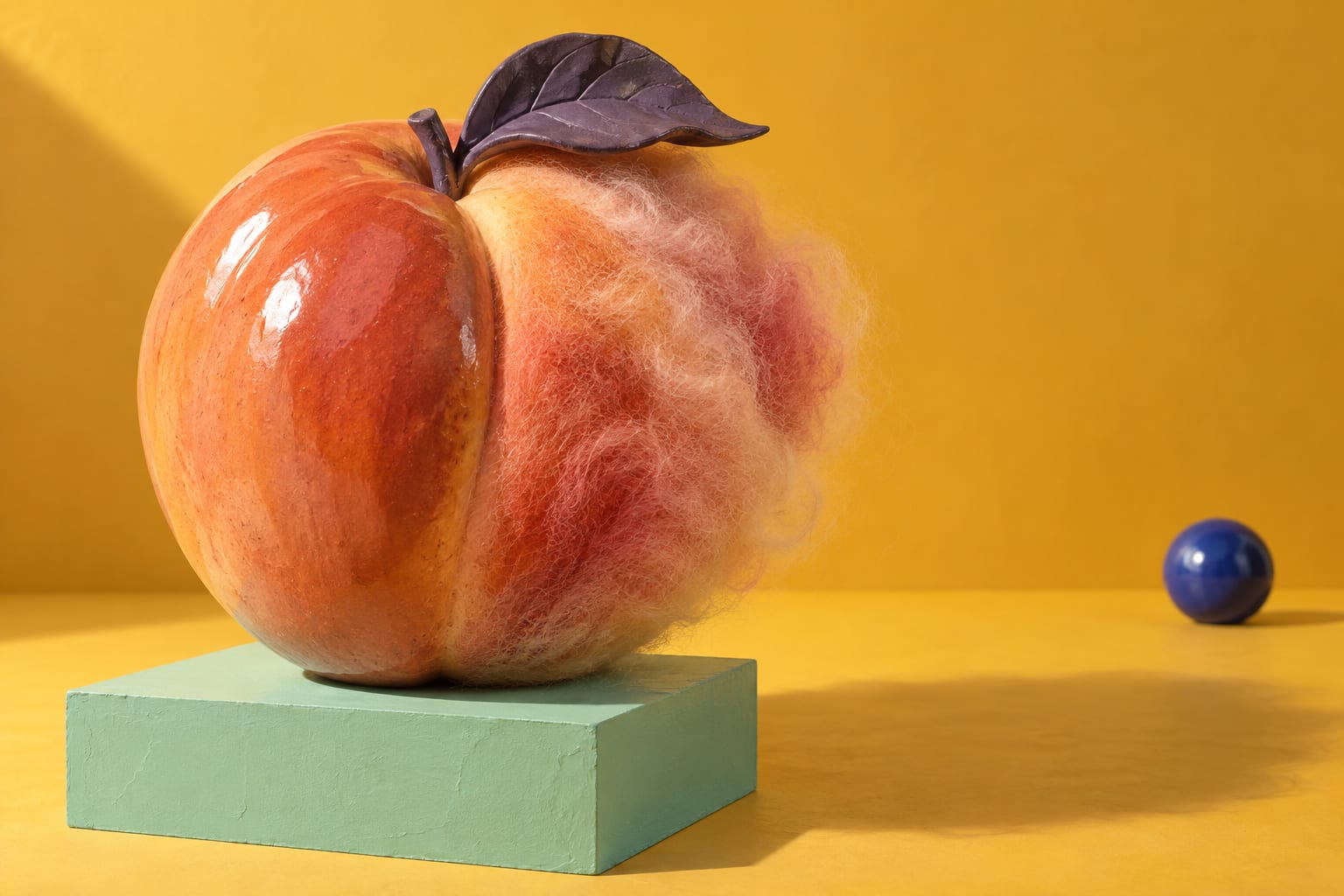
A hard edge changes from one area to another distinctly; a soft edge spreads that change across a wider transition. You can explore both with pencils inside a shape without altering its printed outline. The practical question is where you want clear separation and where a gradual change would work better.
This is not an instruction to blur the whole picture. When every boundary receives the same treatment, a soft shadow and a cut-out shape can begin to look alike. A small comparison helps you choose which edge actually needs attention.
Separate the outline from the color change
In a coloring book, a black line usually defines a shape. Inside it, you may find other boundaries: a leaf's shadow, a patch of color, or a highlight. Start with these internal changes. You do not need to cover or erase the ink to practice.
Getty describes line as an element that can define edges and vary in width, direction, and length. We use that idea to observe boundaries here. The two-study exercise below is our own suggestion, not a recipe attributed to the museum.
Make two studies with the same pencils
- Draw two simple circles on spare paper. Apply a light color to both with similar coverage.
- In the first, add a darker area that stops at a defined boundary. Avoid drawing an extra line around it.
- In the second, place the dark color in a similar position but gradually reduce its presence toward the light area.
- Compare the width of the change. Notice which looks like a distinct patch and which looks like a transition.
- Choose a specific use for each result before moving to your coloring book.
An example with fruit and a leaf
On an imagined piece of fruit, try a broad transition from the light side to the dark side. A leaf crossing in front can keep a more definite separation. This choice distinguishes two different relationships without becoming a rule for every fruit you draw.
If you want to observe other edges, place real fruit and a leaf under the available light. Keep their position steady while making your study. Note which boundary you are looking at: the outer edge, an internal shadow, or the contact between two objects.
When everything looks cut out
First check whether you have drawn dark lines around every tonal change. In a fresh sample, try creating the transition without that initial line. If instead no shape stands apart, keep one more defined boundary in an area that matters to you. Adjust one edge, then look at the whole picture again.
Common mistakes
- Confusing a soft edge with a pale color: dark tones can have a gradual transition too.
- Trying to correct the printed ink: practice inside shapes or on your own spare sheet.
- Softening every boundary: allow some to stay clear.
- Changing many things at once: a small comparison is easier to interpret.
A common question
Do I need a blending stump or solvent?
Not for this exercise. First compare how you place the marks and reduce their strength. Any additional tool needs a separate compatibility test; we are not recommending products or paper treatments here.
To practice inside a shape, return to our guide to simple shadows and highlights. Conceptual source: Getty's elements of art.

Be the first person to leave a little trace of color here.